

logo
Hot Products Top Products
About Us
China Qingdao Xinguangzheng Xinyuan Construction Engineering Co., Ltd.
About Us
Qingdao Xinguangzheng Xinyuan Construction Engineering Co., Ltd.
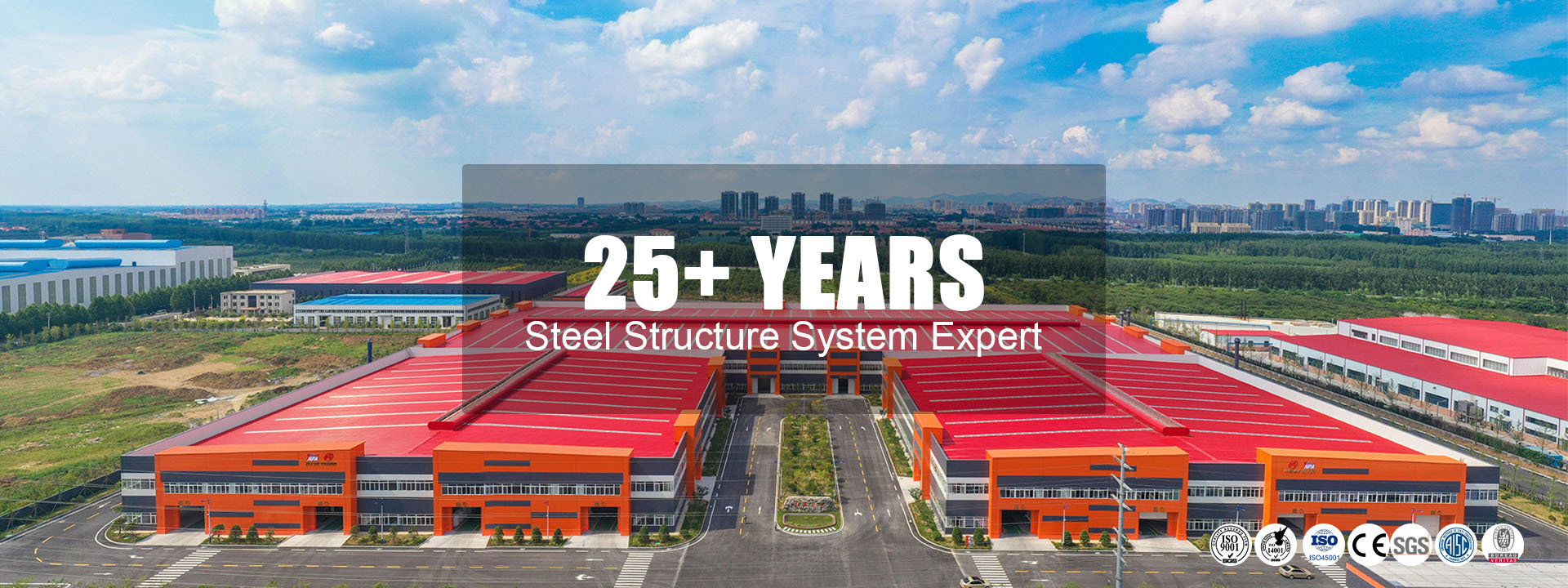
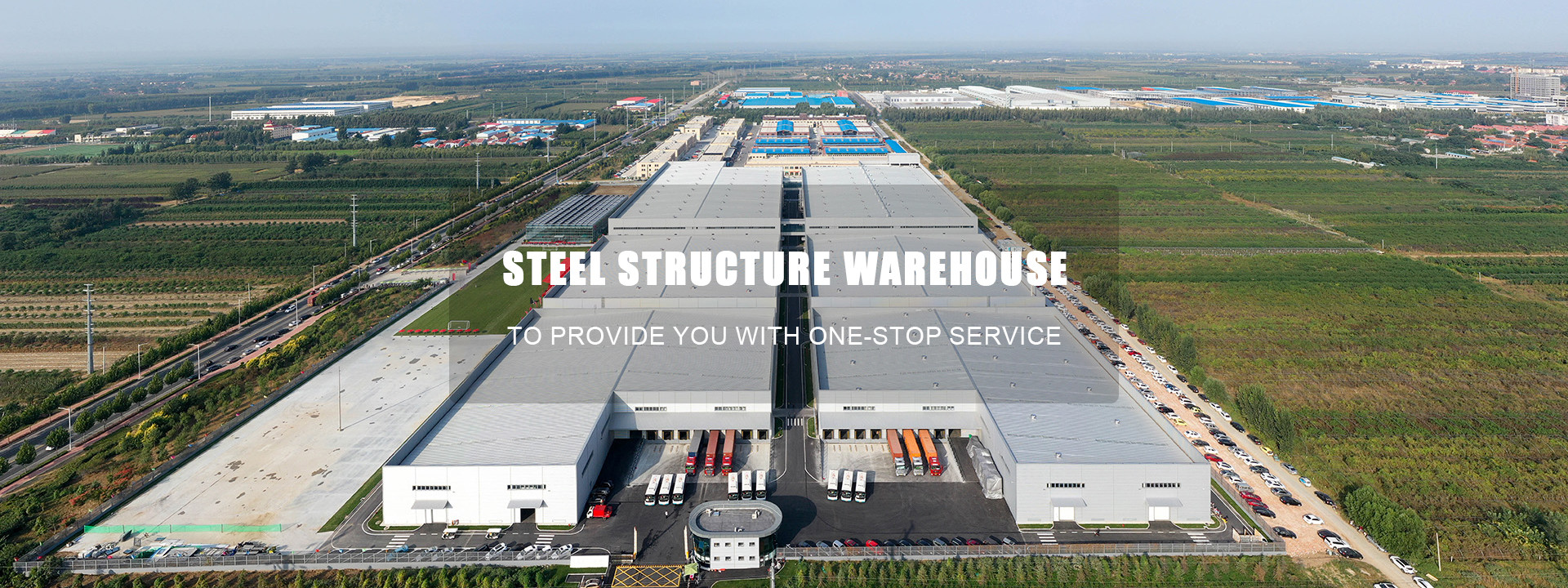
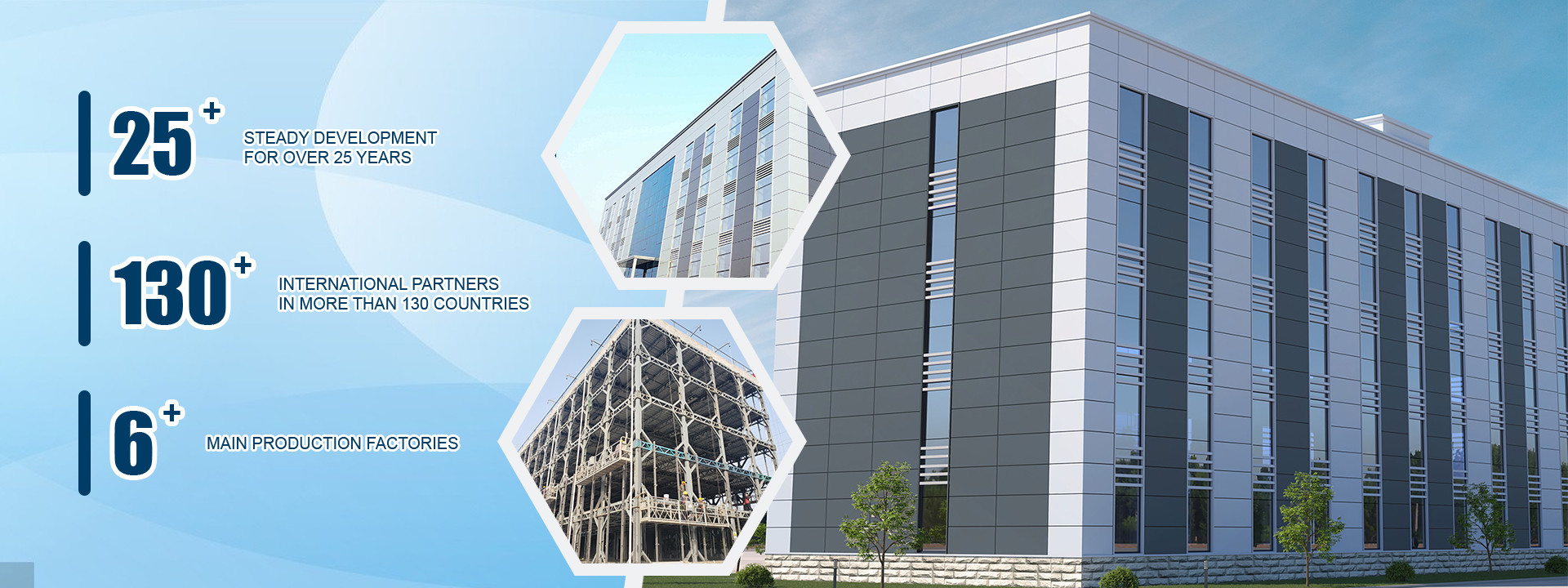
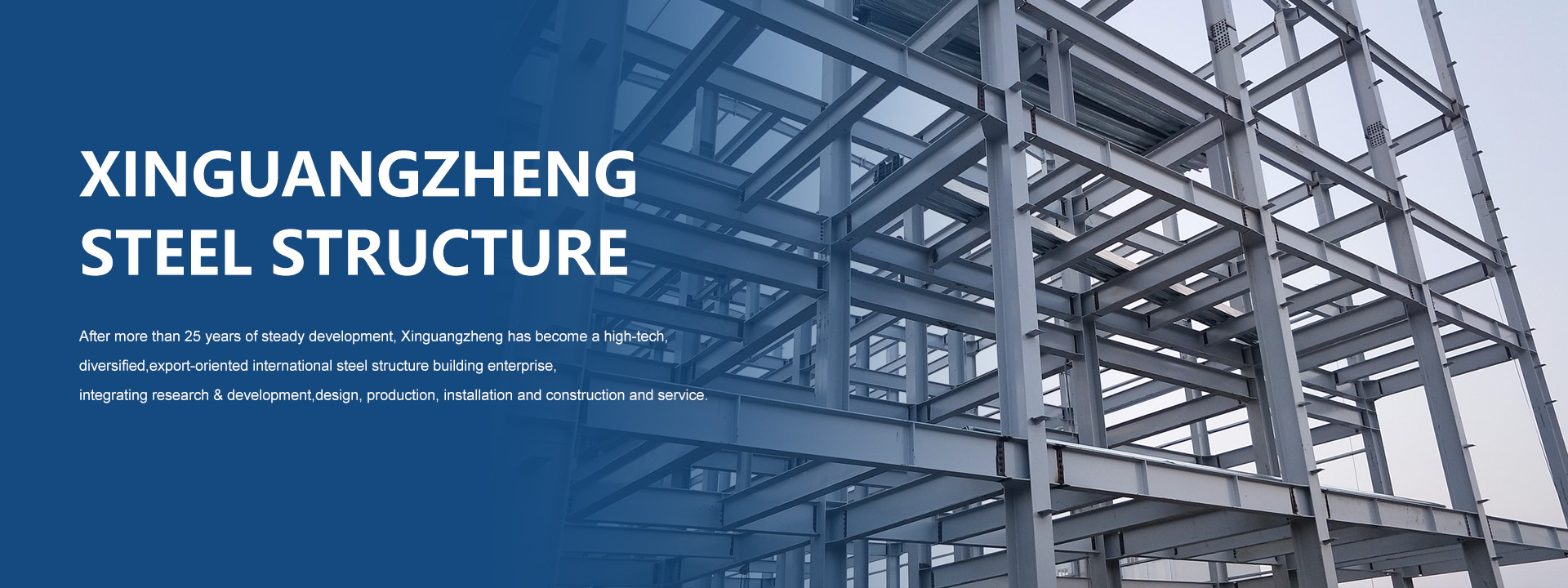
Our CompanyQingdao Xinguangzheng Steel Structure Co., Ltd. was founded in 2002 and is located in Pingdu City, Shandong Province. It covers an area of over 200 acres and has 1000 employees. Its products are sold to more than 100 countries and regions around the world, serving over 10,000 customers. The company was listed on the New Third Board in 2015.Thanks to years of technical accumulation, the company has obtained engineering design qualifications and established an independent design ...
Read more
Request A Quote
0+
Annualsales
0
Year
Customers
0%
P.C
0+
Employees
WE PROVIDE
THE BEST SERVICE!
You can contact us in various ways
Contact Us
Qingdao Xinguangzheng Xinyuan Construction Engineering Co., Ltd.

quality Steel Structure Building & Steel Structure Warehouse factory

Events
Lastest company news about Xinguangzheng has been awarded the AISC (American Institute of Steel Construction) certification! Its steel structure capabilities have been recognized by an international authority!
Xinguangzheng has been awarded the AISC (American Institute of Steel Construction) certification! Its steel structure capabilities have been recognized by an international authority!

2025-07-04

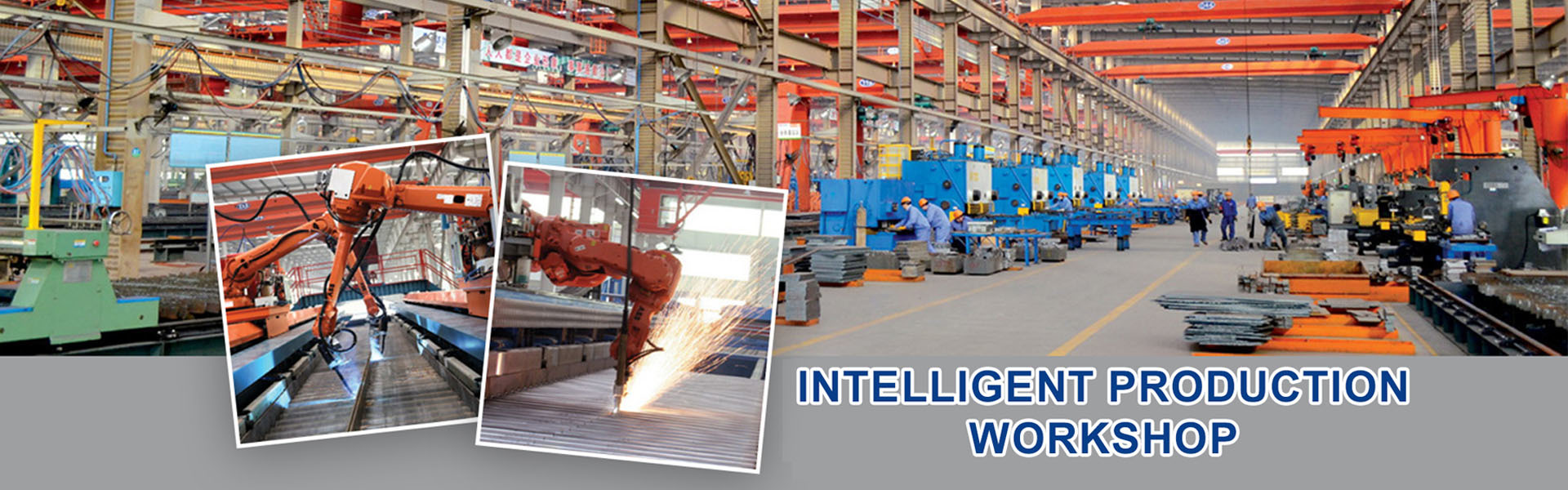
Recently, Xinguangzheng has successfully passed the review and certification by the experts of the American Institute of Steel Construction (AISC) with an outstanding result of zero non-conformities, and has successfully obtained the qualification certificate of the American steel structure standard.   During this audit, AISC experts conducted a comprehensive and detailed on-site inspection of the entire process of steel structure production and processing, as well as the testing and application of complex coatings. They highly praised the professional standards demonstrated by the company.     The acquisition of this certification not only recognizes Xinguangzheng's technical capabilities in the fields of precise steel structure processing and complex coating treatment, but also highlights Xingguang's core competitiveness in continuously providing high-standard and high-quality overall steel structure solutions.     At present, Xinguangzheng has obtained the steel structure certification qualifications and production systems for American standards, European standards, Russian standards and Chinese standards. It is also equipped with advanced domestic intelligent equipment such as laser sheet cutting machines, intelligent profile cutting machines, intelligent profile marking machines, welding robots, laser pipe cutting machines, large bending machines, box-type beam automatic production lines, welding H-steel production lines, assembly and welding correction automatic production lines, and automatic spraying lines.     In the future, Xinguangzheng will continue to build on quality as its foundation and take intelligent development as the core driving force, providing customers with more efficient and reliable steel structure solutions and services.
View More
Lastest company news about Steel Structure Node Connection Selection: Welding vs. Bolts, Which to Choose?
Steel Structure Node Connection Selection: Welding vs. Bolts, Which to Choose?

2026-04-10

For steel structure engineering, node connections are the "central nervous system" of structural force transmission and the "lifeline" ensuring building stability. Welding and bolt connections are the two most commonly used connection methods; choosing the wrong one can lead to rework and costly losses, or even safety accidents and the failure of the entire project.   Many engineers are confused about this: should we choose welding or bolts for connecting components? Why are some projects rock-solid with welding, while others with bolts frequently encounter problems? Let's explore this issue together!   I. Core Logic: Welding is "Fixed and Immovable," Bolts are "Flexible and Removable"   The core difference between the two connections is that welding is "fused into one piece," while bolts are "precisely connected." Their force transmission logic and applicable scenarios are completely different.   Welding, in essence, involves melting and fusing the welding material with the base material of the component at high temperatures. After cooling, it forms a complete load-bearing unit—seamless and without looseness. Force can be directly transferred from one component to another, like two parts "grown together." It is extremely rigid, and once welded, it is almost impossible to separate; separation would damage the component itself. It is a "one-time forming" rigid connection.   Bolted connections, on the other hand, rely on the pre-tightening force of bolts and nuts to tightly fit the components together, transmitting force through friction and bolt shear force. Its biggest advantage is its "replaceability," without damaging the components. Later maintenance and adjustments are particularly convenient, essentially like installing a "movable lock" on the component.   II. Key Differences: 6 Dimensions for Quick and Correct Choice 1. Rigidity Requirements: Choose Welding for "Hardness," Choose Bolts for "Flexibility" If the project's nodes require extreme rigidity, such as the core area of ​​a steel structure frame or the rigid joints between beams and columns, welding should be chosen. Welded components exhibit no relative displacement, stably transmitting bending moments, axial forces, and shear forces. Even under heavy or dynamic loads, they maintain overall structural stability and prevent swaying. However, if the nodes do not require such high rigidity, such as in support systems, secondary structures, or where slight adjustments to deformation are needed, bolted connections are more suitable. While their rigidity is not as high as welding, they can achieve semi-rigid or flexible connections by adjusting the preload, flexibly adapting to different stress requirements. 2. Post-Maintenance: Bolted Connections are Preferred for Inspections Welded connections are "one-time"; once welded, inspecting internal components requires cutting the weld seam, which is time-consuming, labor-intensive, and can damage the base material, preventing component reuse—for example, in enclosed steel structures, the interior is almost impossible to inspect after welding, and corrosion can easily lead to hidden dangers later. Bolted connections, on the other hand, can be disassembled and replaced simply by unscrewing the nuts, without damaging the components. This is particularly convenient for post-maintenance, parts replacement, and the reuse of temporary structures. For example, for scaffolding or on-site assembled components, bolted connections save considerable effort during dismantling and transportation. 3. Sealing Requirements: Welding is the Only Option for Sealing Needs If a joint requires sealing—such as in pressure vessels, enclosed steel structures, or where air and moisture need to be isolated to prevent corrosion—welded connections are the preferred choice. The weld completely fills the gaps between components, acting like a "sealant" to completely block corrosive media and prevent internal rust and damage. Bolted connections inherently have gaps. Even with sealant, complete sealing is difficult. Air and moisture can easily seep in through these gaps, leading to corrosion over time and shortening the joint's lifespan. Therefore, in scenarios requiring sealing, bolts should never be chosen. 4. Load Capacity: Welding for Heavy Loads, Bolts for Medium Loads Welded connections have extremely high load-bearing capacity, especially butt welds, which can achieve strength equivalent to the base material. They can reliably withstand heavy, dynamic, and impact loads—such as crane beams and bridge main truss joints. These core load-bearing components require welding to avoid weak points and prevent joint breakage. The load-bearing capacity of bolted connections depends on the bolt specifications and preload. While high-strength bolts can approach the strength of the base material, the shear and compressive strength of a single bolt is limited. Multiple bolts need to be arranged in a reasonable manner to meet load-bearing requirements, making them more suitable for medium-load scenarios such as secondary structures and component splicing. 5. Stress Control: Attention to Detail is Essential Regardless of the type chosen, stress concentration is a "hidden killer." Poor handling can easily lead to fatigue cracking at joints. Stress concentration in welding mainly occurs at the weld transition—if the weld formation is poor, such as with undercut, incomplete welding, or too small a transition radius, cracks will appear under long-term loads. Therefore, post-weld forming treatment is essential to alleviate stress concentration, and non-destructive testing should be performed to eliminate hidden defects. Stress concentration in bolted connections mainly occurs around the bolt holes—if the bolts are arranged too densely or the edge distance is too small, it will lead to excessive local stress, making the component prone to cracking. Controlling the bolt spacing and edge distance, along with a reasonable gusset plate design, can effectively alleviate this. 6. Construction Efficiency: Bolts for Faster Schedules, Welding for Higher Quality Welding demands extremely high welder skills, requiring not only precise control of welding current and voltage, but also pre-welding joint cleaning and post-weld flaw detection. While the construction cycle is relatively longer, the quality is more guaranteed, making it suitable for factory prefabrication and key node construction. Bolt connections do not require high-temperature operations, have lower construction difficulty, and less demanding skill requirements. As long as the preload and alignment accuracy are well controlled, on-site installation efficiency is extremely high, making it particularly suitable for projects with tight deadlines and on-site splicing, significantly shortening the construction cycle.   III. Scenario-Based Selection: Match Your Needs, No More Hesitation   After reviewing the differences, the most crucial question is still "How to choose?" Here are some recommendations:   Prioritize welded connections in three situations: 1. Core areas of steel frame structures and rigid beam-column joints: Requires extreme rigidity and high load-bearing capacity to ensure overall structural stability; 2. Parts subjected to heavy loads, dynamic loads, and impact loads: Such as crane beams and bridge main truss joints, requiring load-bearing capacity equal to that of the parent material; 3. Scenarios requiring sealing: Such as pressure vessels and enclosed steel structures, requiring isolation from air and moisture to prevent corrosion. Important Reminder: Welding must comply with the "Code for Welding of Steel Structures" (GB 50661-2011). Post-weld non-destructive testing is essential to eliminate hidden defects such as porosity, slag inclusions, and incomplete penetration, preventing future safety hazards.   Four situations where bolt connections are preferred: 1. On-site installation and splicing: For example, connecting steel columns and beams on-site. This facilitates component transportation and allows for rapid splicing after hoisting, improving construction efficiency. 2. Secondary structures and support systems: For example, purlins, supports, and corner braces. These do not require extreme rigidity and may need adjustment or replacement later. 3. Temporary steel structures: For example, scaffolding and temporary supports. These need to be reusable and easy to disassemble. 4. Scenarios where welding is unsuitable: For example, when the component material is unsuitable for welding, there are no welding conditions on-site, or welding would damage the component's performance. Important reminder: High-strength bolt connections must comply with the "Technical Specification for High-Strength Bolt Connections of Steel Structures" (JGJ 82-2011). Control the preload and the coefficient of friction of the connection surfaces, implement anti-loosening measures, and avoid bolt loosening due to long-term vibration.   IV. Conclusion: There is no "optimal solution" for selection, only the "most suitable."   Welding and bolting connections are not inherently superior or inferior; the key is "adapting to project requirements." Welding emphasizes rigidity, sealing, and high load-bearing capacity, serving as the "stabilizing force" for core nodes; bolts emphasize flexibility, detachability, and efficiency, acting as the "efficiency champion" for on-site construction.   In actual engineering projects, a combination of welding and bolting is often used—welding ensures stability at core nodes, while bolts improve efficiency for on-site splicing, balancing safety and convenience.   The crucial point is: The selection of node connections is extremely important; even a slight difference can lead to significant problems. Choosing the right welding and bolting methods for the appropriate scenarios ensures the steel structure's stability for decades, avoiding rework and safety hazards—this is the core strength of steel structure engineering.   Thank you for reading. We hope this article has been helpful. We are a steel structure manufacturer from China, with 24 years of experience in steel structure production. Please contact us for any projects! Mrs.Della WhatsAPP: +86 15898860020. Email: della@qdxgz.cn
View More
Lastest company news about Xinguangzheng Unique Testing Facility——Qingdao Zhengxin Testing Technology Co., Ltd.
Xinguangzheng Unique Testing Facility——Qingdao Zhengxin Testing Technology Co., Ltd.

2026-02-12

Qingdao Zhengxin Testing Technology Co., Ltd. was established in August 2025. It is a professional, authoritative and impartial third-party inspection, testing and technical service institution. The company is equipped with advanced testing equipment such as universal material testing machines, impact testing machines, spectrometers, salt spray testers, hardness testers, and metallographic microscopes. Its service scope covers chemical composition analysis, metallographic structure assessment, mechanical performance testing, non-destructive testing, and failure analysis. At the same time, it can provide one-stop services including technical consultation and professional training.   The company has strong professional capabilities and employs numerous comprehensive technical personnel, including senior engineers, senior structural designers (IWSD-C), senior welding quality inspectors (IWI-C), international welding engineers (IWE), international welding inspectors (CSWIP3.The company has strong professional capabilities and employs a number of comprehensive technical personnel, including senior engineers, senior structural designers (IWSD-C), senior welding quality inspectors (IWI-C), international welding engineers (IWE), international welding inspectors (CSWIP3.1), Canadian welding engineers (CWB), and coating engineers (AMPP), among others, all with relevant professional qualifications.1), Canadian welding engineers (CWB), and coating engineers (AMPP), among others, all with professional qualifications. The company also has complete non-destructive testing qualifications, possessing magnetic particle testing (MT), penetrant testing (PT), and ultrasonic testing (UT) certifications in accordance with European standards (ISO) and American standards (ASNT). The company also has complete non-destructive testing qualifications, possessing magnetic particle testing (MT), penetrant testing (PT), and ultrasonic testing (UT) detection qualifications in accordance with European standards (ISO) and American standards (ASNT).   Relying on a well-established quality management system, the company adheres to the concepts of service innovation and technological innovation, continuously providing professional, authoritative and impartial inspection and testing services to customers, and is committed to becoming a reliable inspection and testing and technical service partner in the industry.      
View More

Qingdao Xinguangzheng Xinyuan Construction Engineering Co., Ltd.
MARKET DISTRIBUTION
map map 30% 40% 22% 8%
map
WHAT CUSTOMERS SAYS
CONTACT US AT ANY TIME!
Sitemap |  Privacy Policy | China Good Quality Steel Structure Building Supplier. Copyright © 2024-2026 Qingdao Xinguangzheng Xinyuan Construction Engineering Co., Ltd. . All Rights Reserved.
8615898860020